I grew up in Pennsylvania and lived in Maryland until two years ago and often wonder why I’m so enamored with the West Coast. Driving for hours and hours across this great land gives a lot of time for thinking or not depending on what book I’m listening to or what is on Sirius radio. 😉 Speaking of Sirius radio, I had the most trouble getting reception in Oregon. The mountains and extremely tall evergreens come right down to the shoulder of the road, effectively blocking the satellite signal. Since I was traveling back roads and Route 101 along the coast, I barely heard any radio. I did ‘read’ three books though!
Flying across country on a clear day is a delight. Remember, the title of the post is: “Travel . . .” I always grab a window seat if possible. Sometimes I’m not lucky and some crank gets there before me and pulls down the shade and proceeds to ignore the limitless possibilities outside the window for the next six hours (why sit by the window if you’re not going to look out?) Being in the air also brings the differences of East and West to light. The East is soft and rounded, like a reclining voluptuous woman – no hard edges, smooth and cultivated; tightly packed with quilts of farms, towns and cities. The West is jagged, expansive, wide-open. In between the two coasts are the farms on the prairie with their pie shaped wedges of green or gold or brown crop circles and endless 1,000 acre square farms.
I passed many cattle through California and Southern Oregon, it was close to 100,000 head, ranch after ranch of huge herds: Black Angus, Red Angus, Charolais, Herefords and a herd of Belted Galloways (you don’t see too many of them). Thousands and thousands of acres of irrigated and unirrigated green or brown meadows of grass as far as the eye can see (until your eye hits the mountains in the far distance – 20 miles or more away).

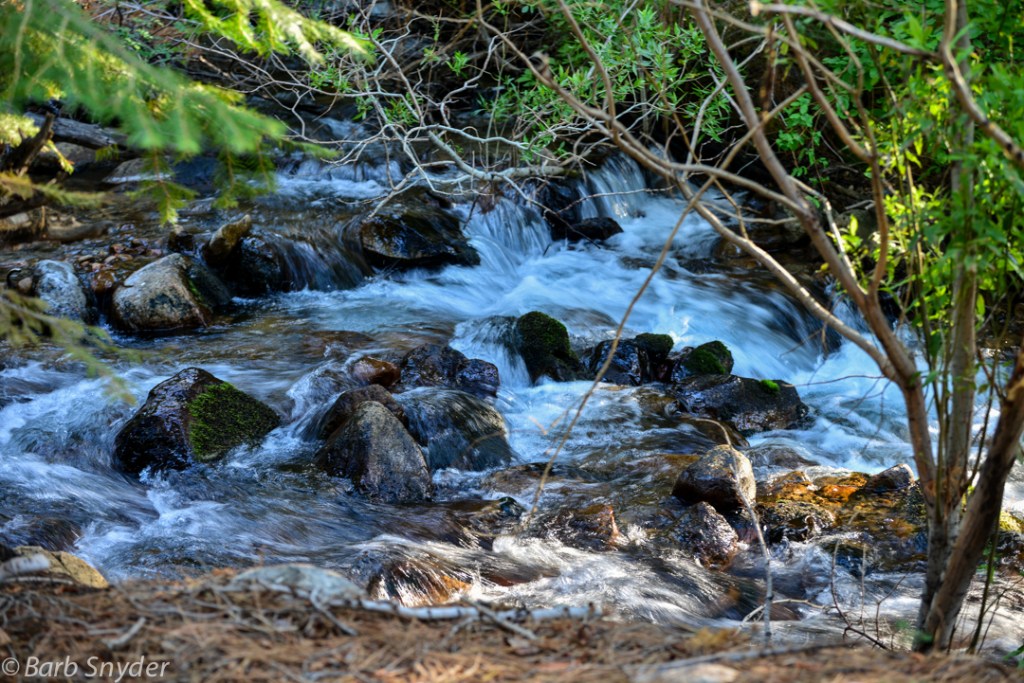
Wonderfully clear creeks (called rivers in the west) are rushing down boulder-strewn mountainsides, or flowing blue underneath the mostly cloudless skies. In the East, there are so many trees and houses and hills and curvy roads that you can usually only see for maybe a half mile, mostly less. The rivers are wide in the East, a half-mile to a mile, huge amounts of water, flowing muddy and murky slowly toward the Chesapeake Bay which is only a few feet lower in elevation than where you’re standing at any given moment on the Eastern Shore of Maryland, then on to the Atlantic Ocean. In the West, there are flatlands (most at elevations of 3,000′ and higher) with hardly any trees, sometimes making me pine for shade ;-), but you can see for miles – the weather always lists “visibility 10 miles” and they are right.
Recently, I’ve been on a crater and hot spring quest in the West. Living near the Eastern Sierras is like living on the edge of a boiling cauldron. One never knows exactly when something might boil over, crack apart (which has happened recently in the Napa wine region) or explode. Surprisingly to me, it gives me pause while I’m sitting in a hot spring, and when I see craters and faults, but it just causes wonder to my eyes and not worry. Recently I found this quote from Helen Keller that I totally agree with: “Security is a superstition, it does not exist in nature nor do the children of men as a whole experience it. Avoiding danger is no safer in the long run than outright exposure. Life is a daring adventure or nothing at all.”

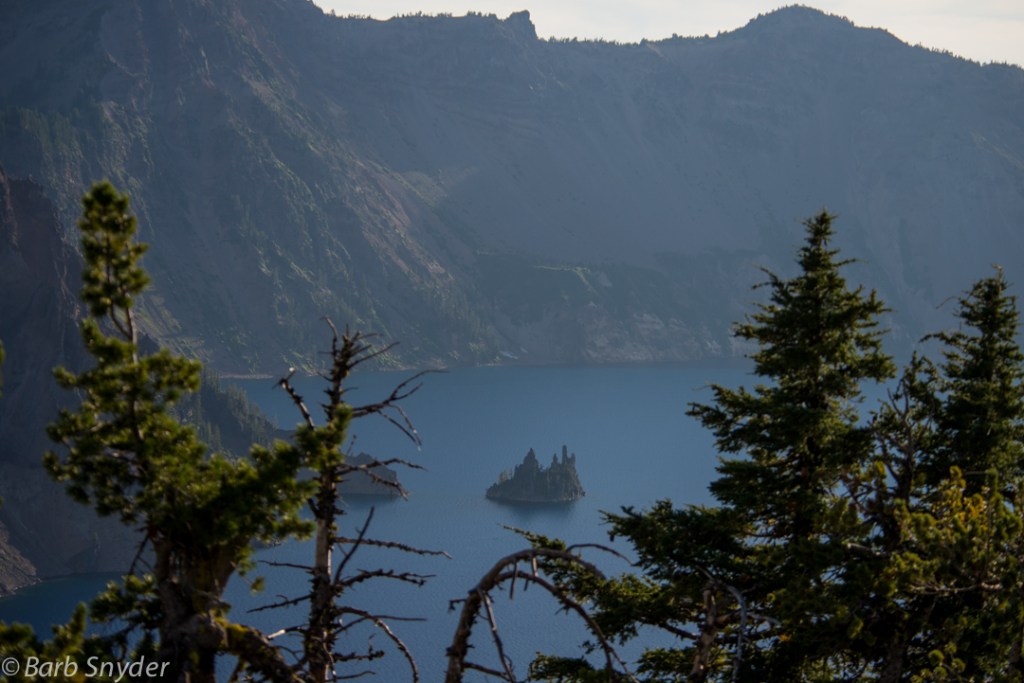
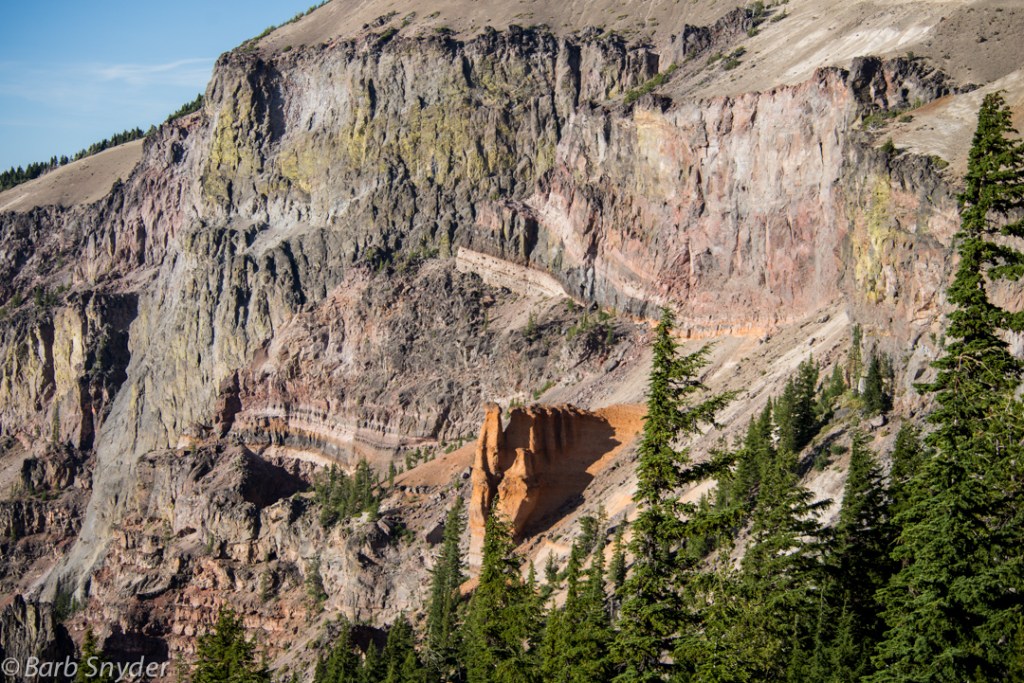
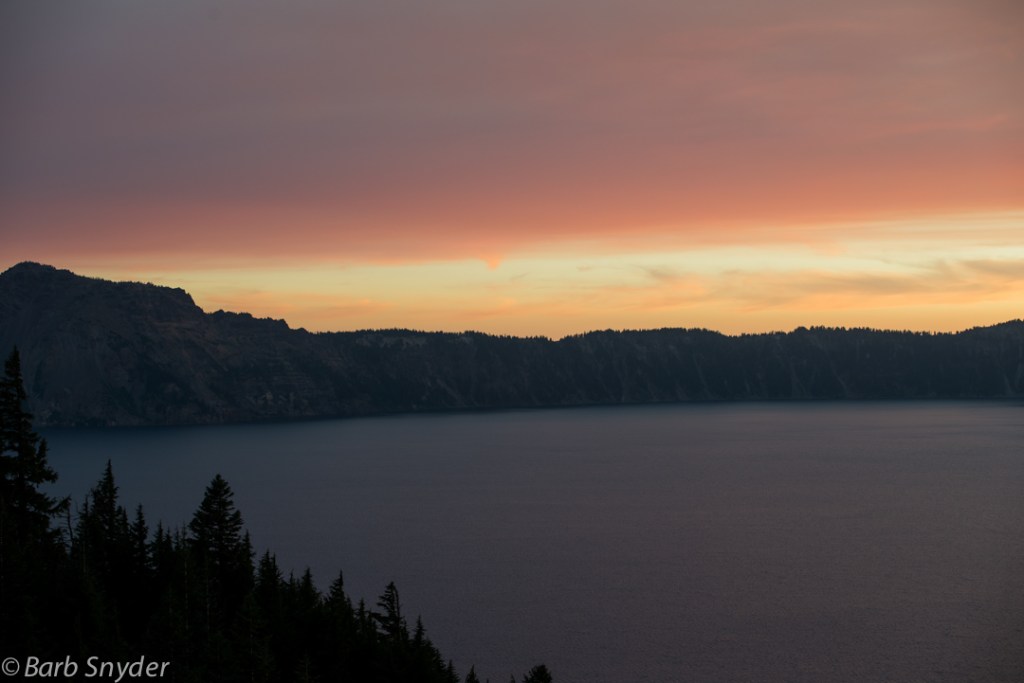
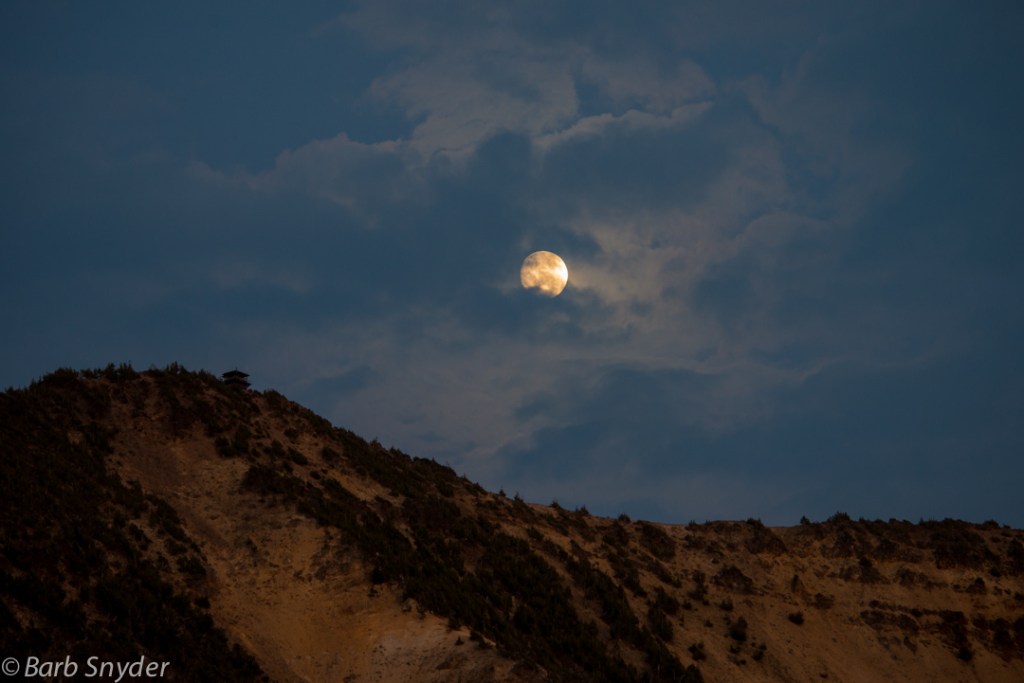
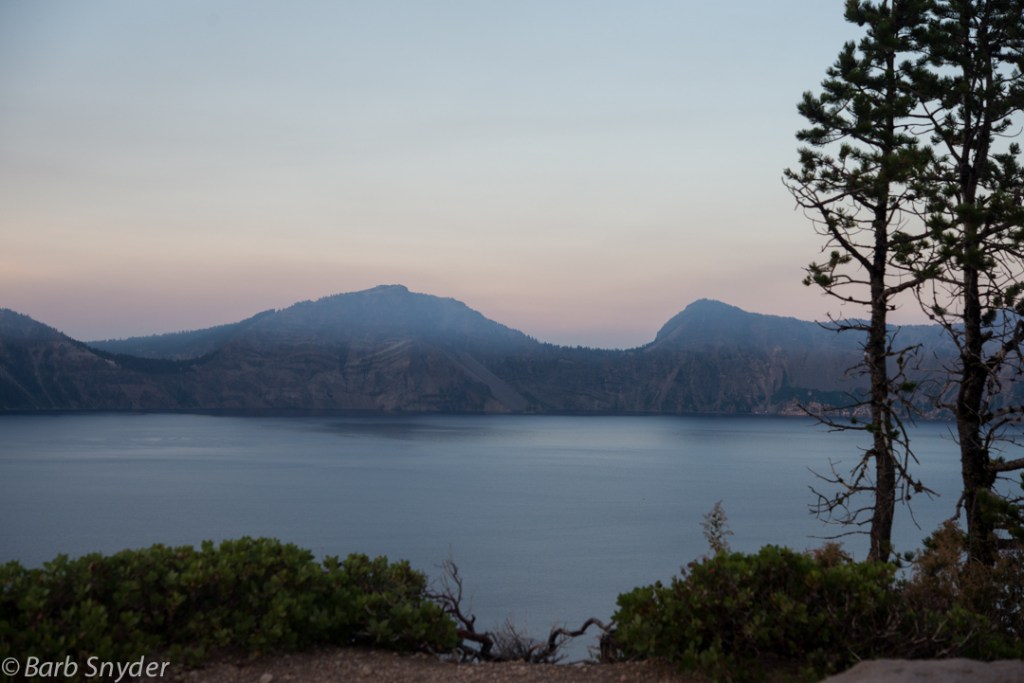
I’ve written this post in the middle of a moonlit night parked on the edge of Crater Lake in Oregon. The most recent volcano eruption, 7,700 years ago was the last straw that made Crater Lake. Because the latest volcano blew out so much rock and lava (ash blew over 656,000 square miles), only a shell of the mountain was left and it collapsed upon itself into the crater within a couple of days of the eruption, leaving pieces of lava rock created about 400,000 years ago sticking up through the lake (Ship Rock). Jagged edges of the mountain are slowly crumbling down; I drove past recent rock slides where boulders the size of my car had rolled down to the road’s edge. I could not take photos, the shoulder on one side consisted of two feet of gravel before you plunge into the abyss hundreds of feet below; orange cones guarded the recently dislodged boulders on the other shoulder. I just read that the forest service was closing that part of the road for a month and a half to fix the most recent avalanche.
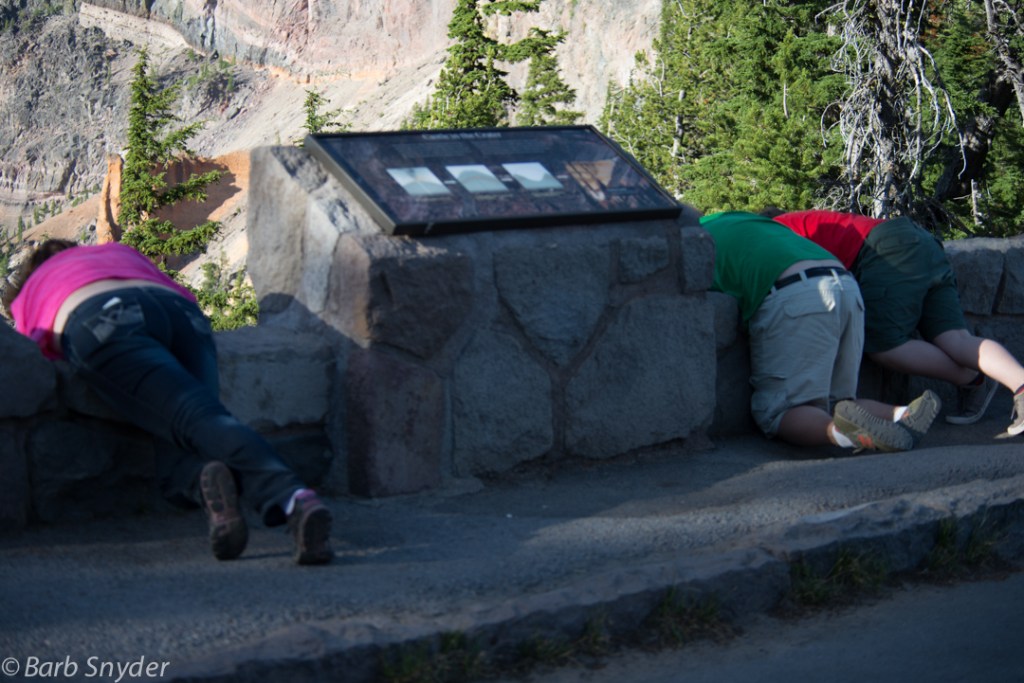
There are always surprises when you’re traveling and snapping photos. The people in the photo above are Russians. I asked one of their party who was still standing “are they OK”. He said “Yes, they were fine, just feeding the chipmunks!” All this lake beauty and they see the beauty in the chipmunks.

I was asked to take a couple of shots of four friends who were viewing the sunset along with me. One girl had sobbed and cried for a while, but was smiling now. I wonder what the story was behind all that emotion?
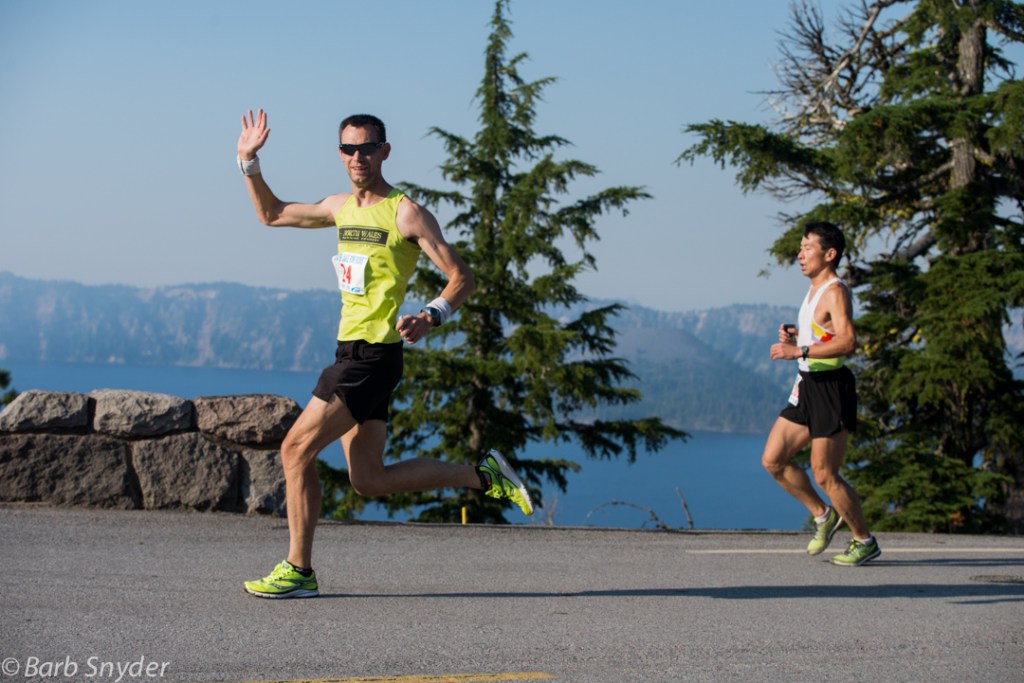
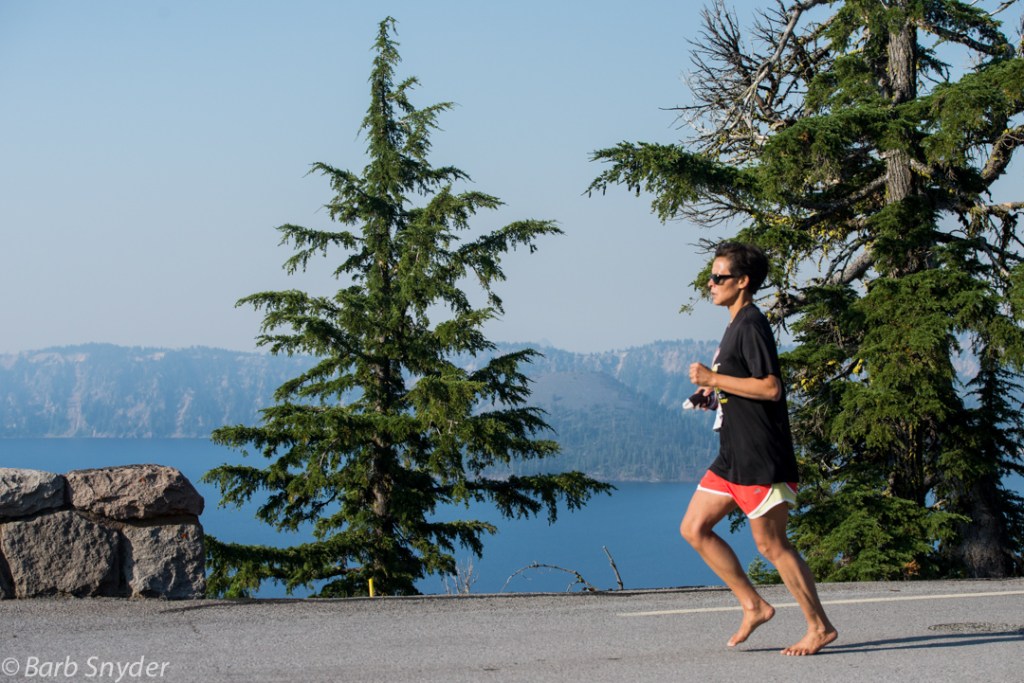
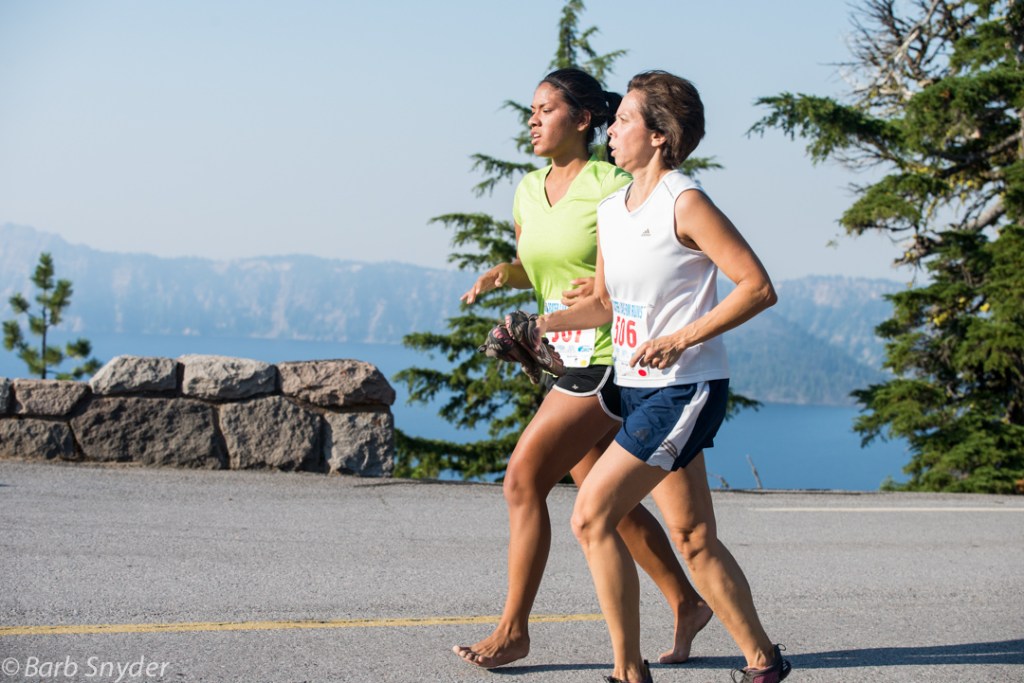
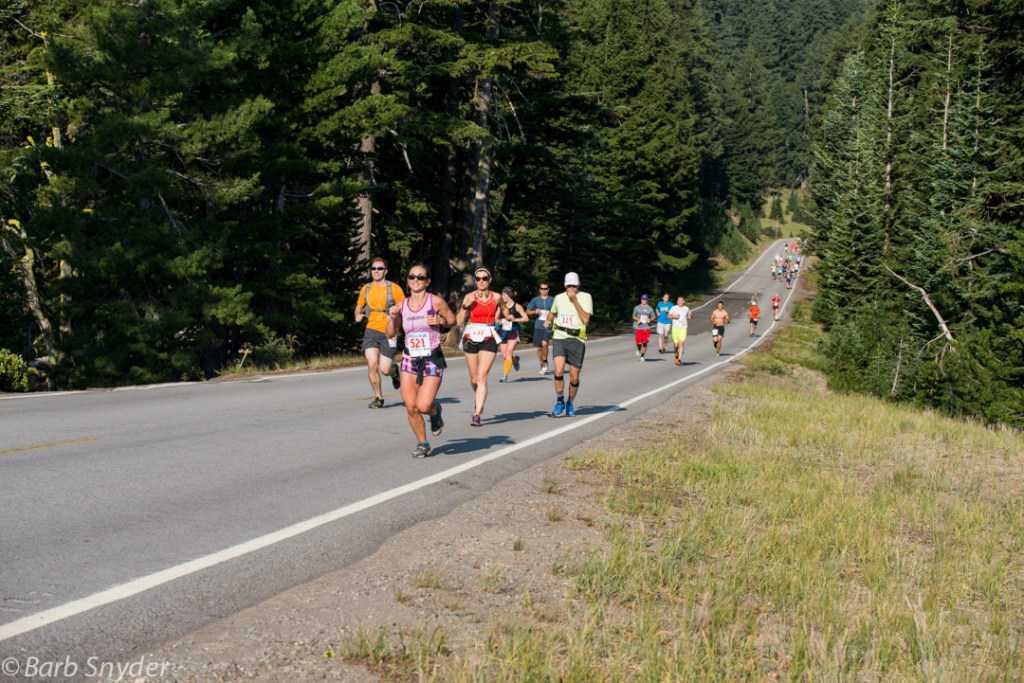
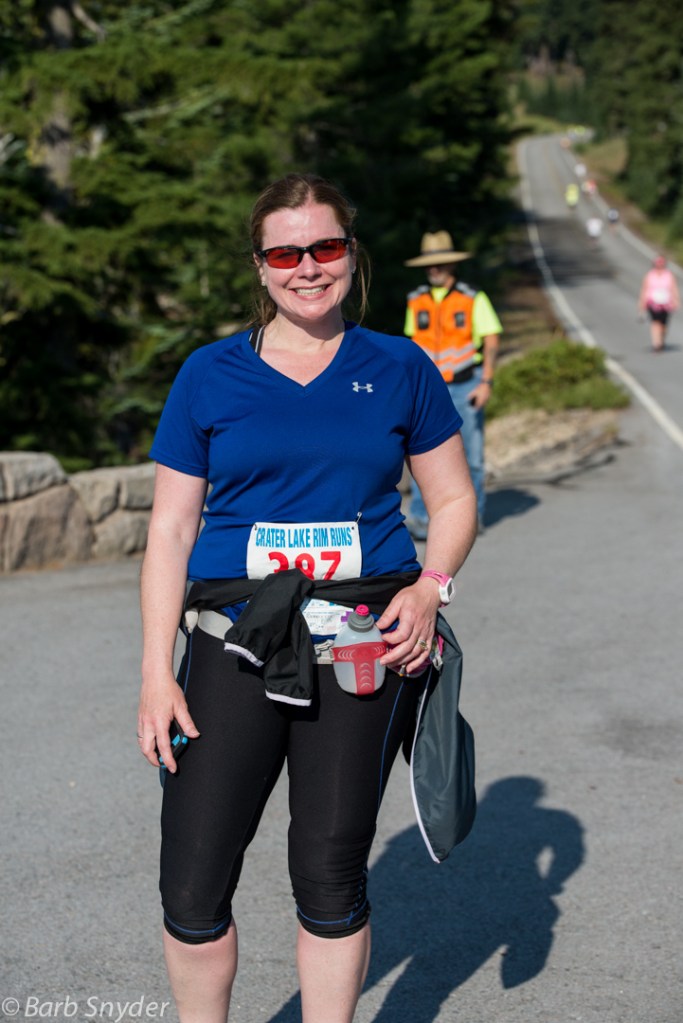
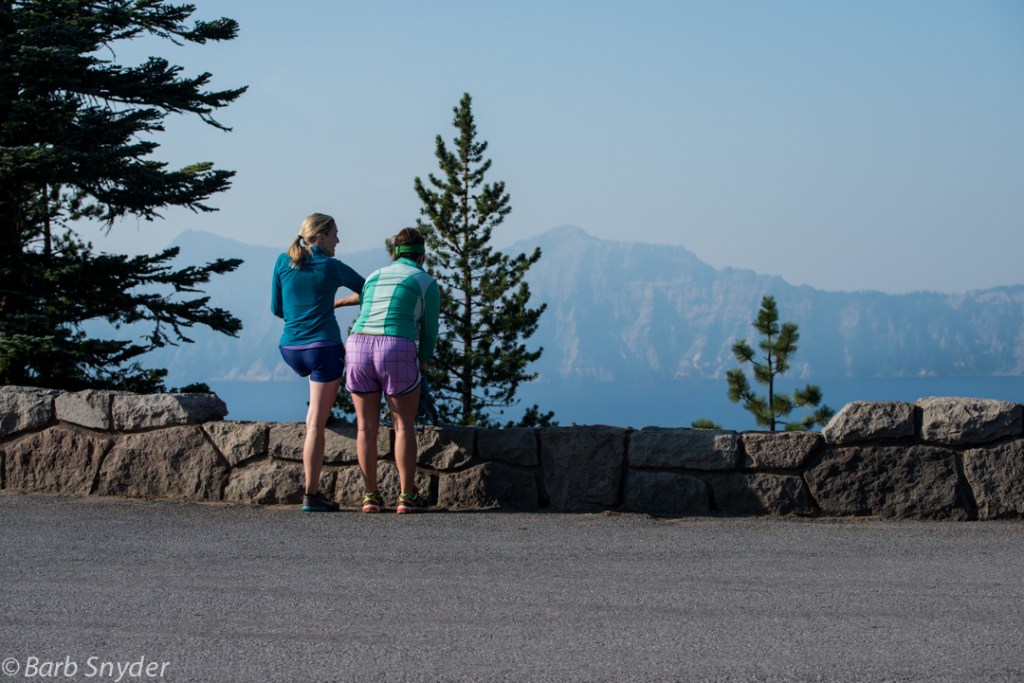
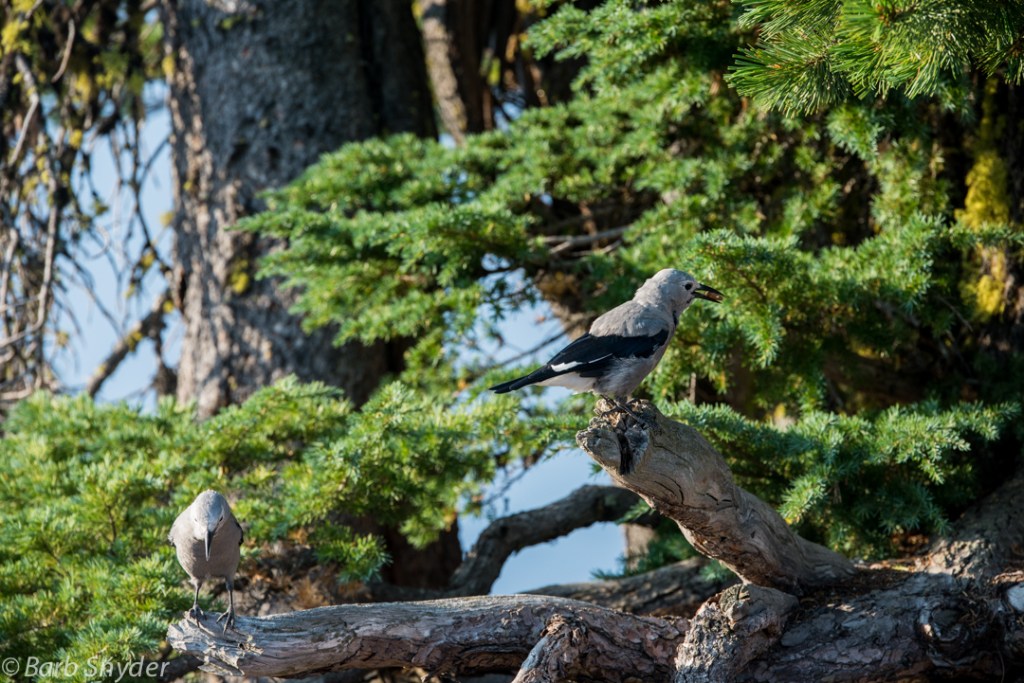
The next morning, I meant leave early to get to the ocean, but found that the ‘Crater Lake Rim Runs’ maraton was being run in just a little while. Breakfast at dawn:






Next post: the Oregon Coast.
The skies were smoky off an on since leaving Owens Valley and driving through parts of Nevada and Northern California. The smoke hovered over Crater Lake, a brownish smoke cloud, obscuring part of the sunset. You couldn’t smell the smoke, but it hazed the normally clear skies.


 from egghill
Leave a comment