This has been a summer of exploring Long Valley Caldera (looking for natural hot springs), and traveling to different craters. In the next post, I continue to visit craters in Oregon and Washington.
On the Summer Solstice, I continued my quest for a hot spring. I had found one the week before, see post about ‘Weekend Ramglings‘, but was directed to two others whose mineral content was mostly calcium. I found both, but they were so crowded with people, I didn’t even try to get in. In Long Valley Caldera, the forest service came through many years ago and cemented in real hot tub-like structures. They have hot water piped in from the slimy hot springs, some also have cold water piped in. I went back to the one I’d found while traveling Glass Mountain where obsidian abounds. There were several different people there, two couples, three students from Berkeley, a hermit, and two fishermen. It was a lovely solstice celebration and another great sunset.

Above the Caldera, Mammoth Mountain boasts many hot springs, and craters. I attended a geology hike there one morning. I’d been there before, but wanted to hear about the geologic changes that caused the craters first hand.
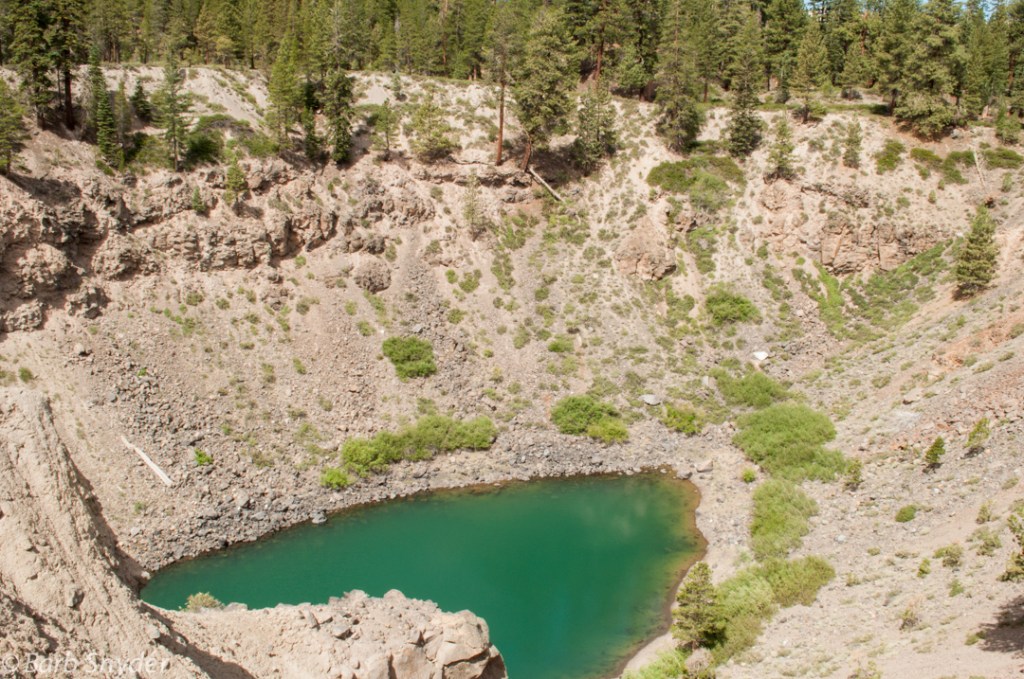

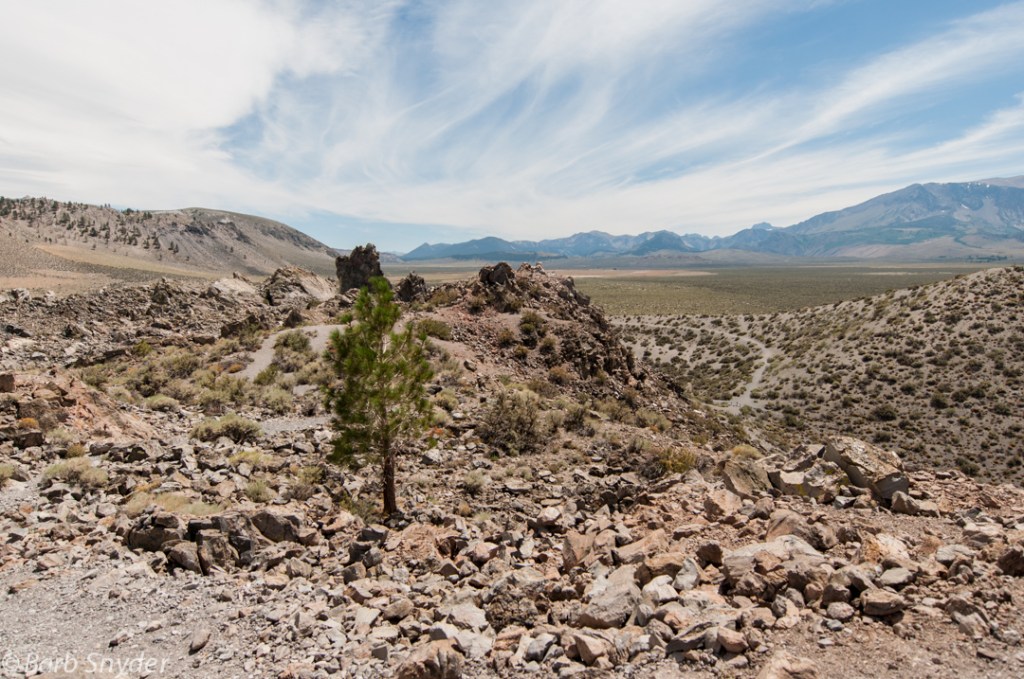
Panum Crater, created a mere 650 years ago, sits beside Mono Lake (created about the same time as Long Valley Caldera-760,000 years ago). This is an instance of many volcanos located close together (like Long Valley Caldera and Mammoth). A Rhyolitic Plug-Dome Volcano (I don’t pretend to be a geologist, so please open the above link for more information). What happens is that some of the heat of the volcano hits ground water, causing steam, some lava is expelled, cooling instantly, making light lava rock with air holes, but then the volcano is slowed down and the remaining lava cools more slowly, squeezing out the air bubbles and that causes obsidian. In Panum Crater, you can see the blown out sides, but in the middle are domes of rock and obsidian. It was difficult to capture it in a photo.


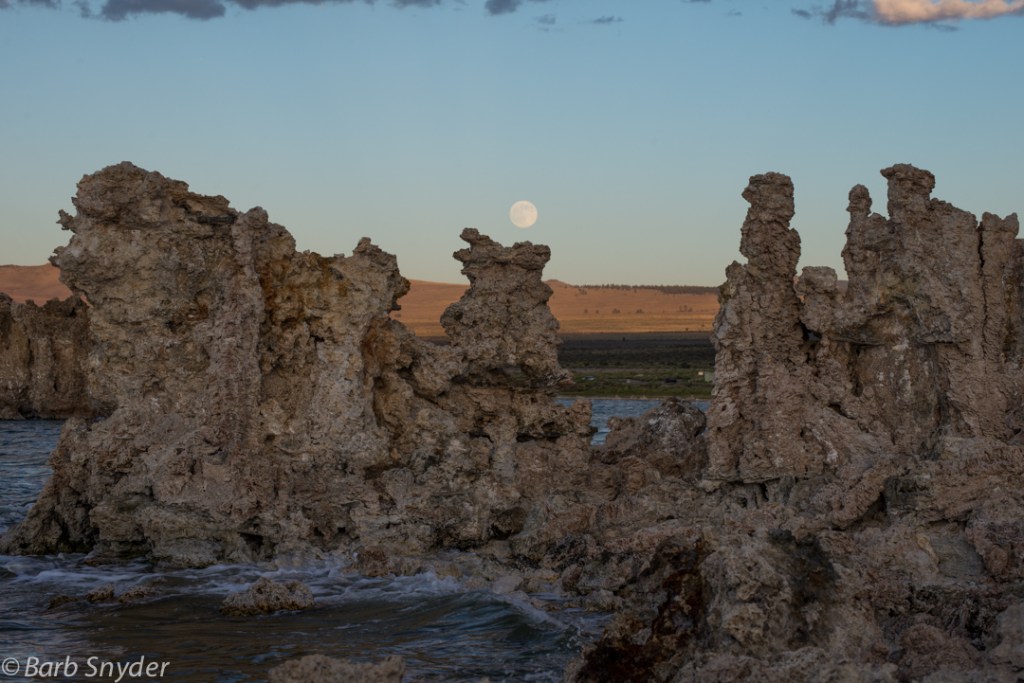
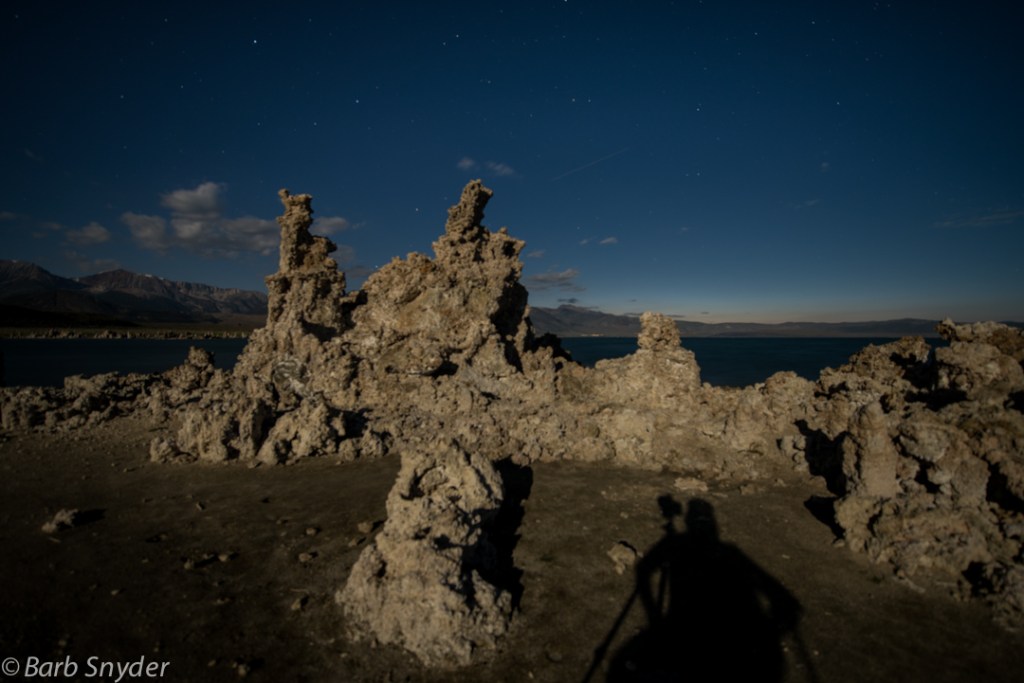
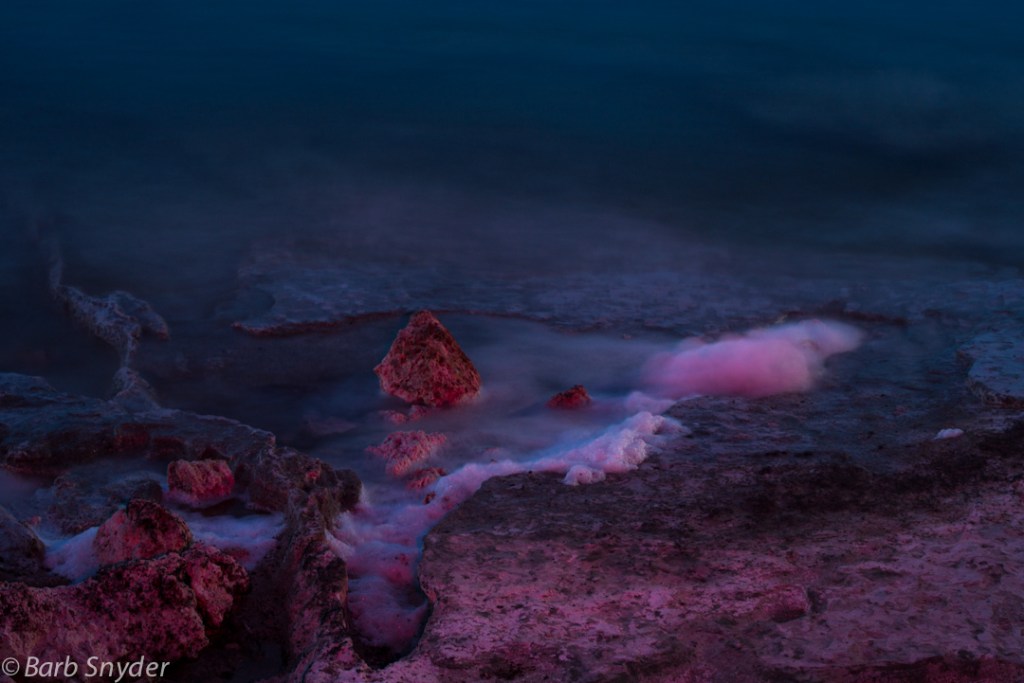

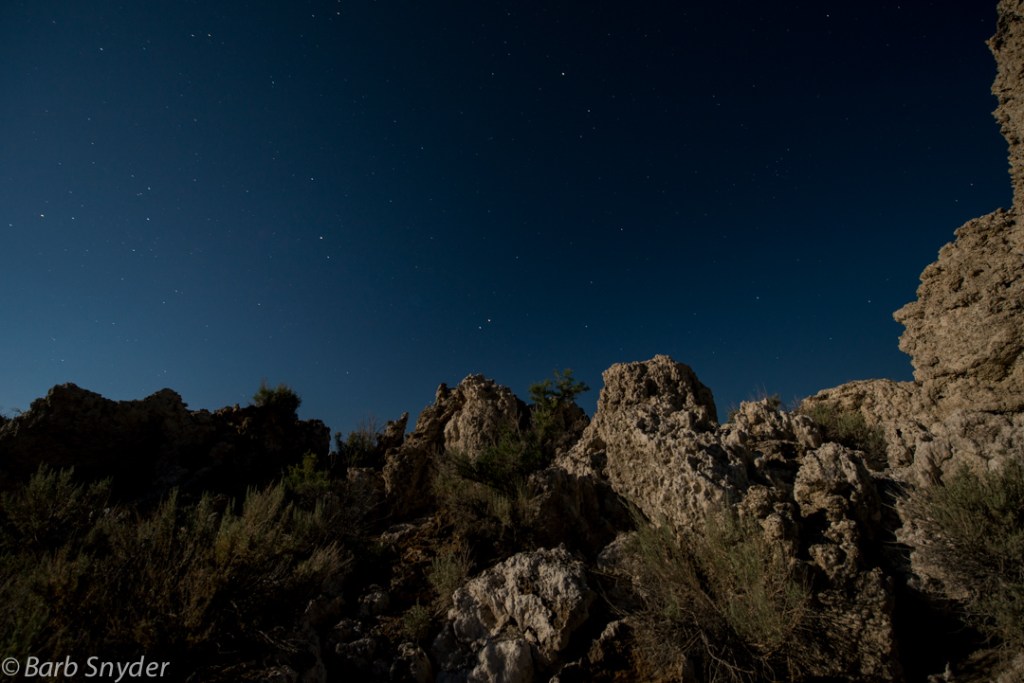
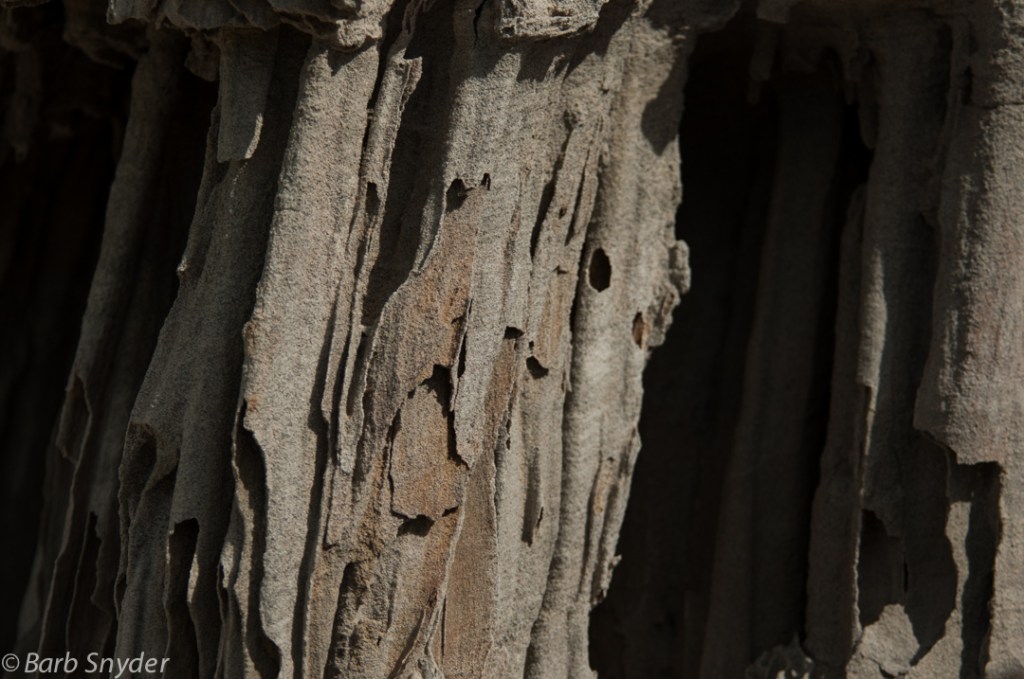
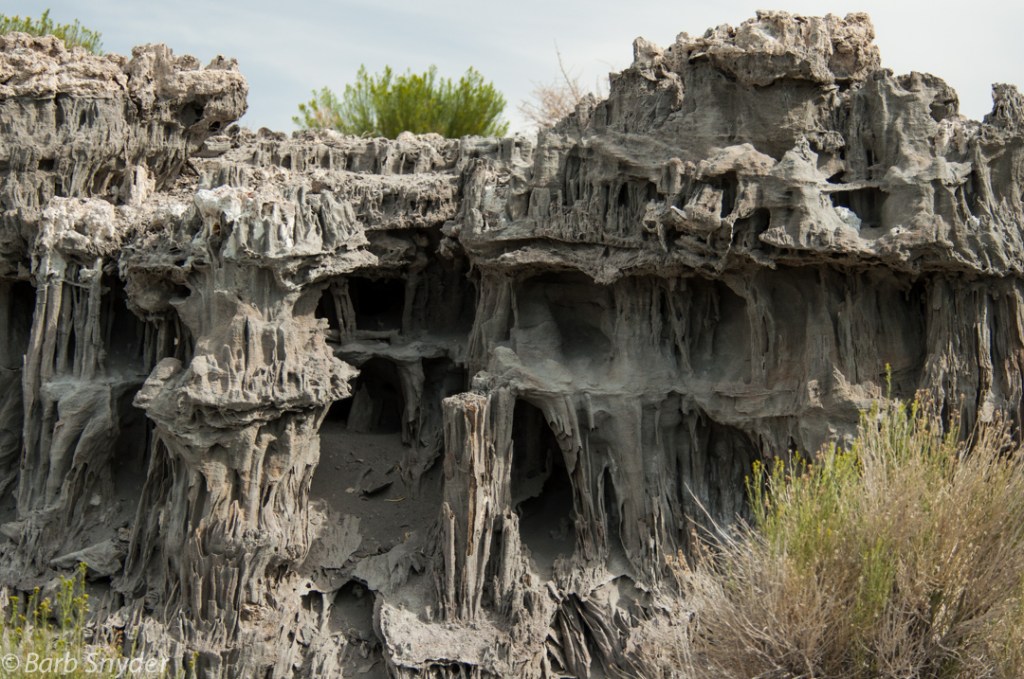
Sand tufa surround Mono Lake where the water level used to be. Salty lake water (carbonates) + freshwater springs (calcium) = Tufa (calcium carbonate).
Next time, Oregon!


 from egghill
Leave a reply to egghill Cancel reply